Remodeling vs. Renovation: What's the Difference? in Glen Burnie, MD
When planning a home improvement project, many homeowners use the terms remodeling and renovation interchangeably. While both involve improving a property, they are not the same. Understanding the difference is essential because each type of project has its own goals, level of complexity, budget, timeline, and impact on your home’s functionality and value. Knowing which approach best fits your needs can help you make informed decisions before investing in your property.
Whether you’re updating a dated kitchen, restoring an older bathroom, replacing worn flooring, or completely transforming the layout of your home, recognizing the distinction between remodeling and renovation allows you to communicate more effectively with your contractor and plan your project with confidence. In this guide, we’ll explain the differences, compare the benefits of each approach, and help you determine which option is the right choice for your home and your long-term goals.
Remodeling vs. Renovation Explained: Which Is Best for Your Home?
Which Option Is Best for Your Home?
Choosing between remodeling and renovation depends on your goals, budget, and the current condition of your property. Homeowners who simply want to refresh outdated finishes or repair normal wear may find that a renovation provides everything they need. On the other hand, families seeking improved functionality, additional living space, or major design changes will often benefit more from a remodeling project.
Before making a decision, it’s important to evaluate how you use your home today and how your needs may change in the future. Growing families, remote workers, aging homeowners, or those planning to sell their property may all have different priorities when deciding which type of project will deliver the greatest long-term value.
Consulting with an experienced remodeling contractor helps homeowners assess their options, identify practical solutions, and create a project plan that aligns with both their vision and budget.
Key Benefits:
Lifestyle considerations
Budget evaluation
Current home condition
Long-term goals
Family needs
Resale value
Functionality improvements
Professional consultation
Factors to Consider Before Starting Your Project
Every successful home improvement project begins with careful planning. Before deciding whether to remodel or renovate, homeowners should evaluate several important factors, including budget, project timeline, design preferences, permits, material selection, and long-term maintenance requirements. Proper planning helps reduce unexpected expenses while ensuring the project delivers lasting value.
It’s equally important to establish realistic expectations regarding construction schedules and temporary disruptions. Larger remodeling projects may require homeowners to temporarily adjust their daily routines while work is underway. Understanding these factors in advance allows for better preparation and a smoother remodeling experience.
Working with a professional contractor during the planning phase ensures every aspect of the project is carefully evaluated before construction begins, reducing the likelihood of delays and costly changes later.
Key Benefits:
Project planning
Budget preparation
Material selection
Timeline expectations
Permit requirements
Design planning
Living during construction
Avoiding unexpected costs
Benefits of Hiring a Professional Remodeling Contractor
Whether your project involves a simple renovation or a complete remodel, partnering with an experienced contractor is essential for achieving high-quality results. Professional contractors bring technical knowledge, construction expertise, and project management skills that help ensure every phase of the work is completed safely, efficiently, and according to local building codes.
Beyond construction itself, experienced contractors assist with planning, budgeting, scheduling, material recommendations, permit coordination, and quality control. Their guidance helps homeowners avoid costly mistakes while ensuring the finished project meets both functional and aesthetic goals.
Professional workmanship also protects your investment by using proven installation techniques and durable materials that extend the lifespan of your improvements.
Key Benefits:
Licensed professionals
Quality workmanship
Permit coordination
Project management
Material recommendations
Budget guidance
Safety standards
Long-term value
What's the Difference Between Remodeling and Renovating a Home?
What Is a Home Renovation?
Home renovation focuses on restoring, repairing, or updating existing features without significantly changing the original layout or structure of the home. The primary goal of a renovation is to improve the appearance, functionality, and condition of a space while preserving its original design. Renovation projects are often chosen when homeowners want to modernize outdated finishes, repair damage, or refresh their living spaces without making major structural changes.
Common renovation projects include replacing flooring, repainting walls, updating lighting fixtures, installing new cabinets, repairing drywall, replacing countertops, refinishing bathrooms, or restoring exterior surfaces. These improvements enhance comfort and aesthetics while typically requiring less time, fewer permits, and a lower investment than full remodeling projects.
Renovations are ideal for homeowners who are satisfied with the overall layout of their home but want to improve its appearance, increase efficiency, or maintain its long-term value. In many cases, a well-planned renovation can significantly boost curb appeal and resale potential without requiring extensive construction.
Key Benefits:
Definition of renovation
Cosmetic improvements
Restoring existing spaces
Typical renovation projects
Lower construction complexity
Budget-friendly improvements
Less structural work
Property maintenance benefits
What Is Home Remodeling?
Unlike renovation, remodeling involves changing the design, structure, or functionality of a space to better meet the homeowner’s needs. Remodeling projects often include altering floor plans, removing or adding walls, expanding rooms, relocating plumbing or electrical systems, and completely redesigning interior or exterior spaces. These projects allow homeowners to create more functional layouts while adapting their homes to changing lifestyles.
A remodeling project often begins with a vision for how the space should function rather than simply how it should look. For example, homeowners may choose to create an open-concept kitchen, enlarge a bathroom, add a home office, or redesign outdoor living areas to better accommodate family gatherings. These changes typically require more detailed planning, specialized construction expertise, and coordination between multiple trades.
Although remodeling projects generally involve higher costs and longer timelines than renovations, they also provide greater flexibility and often deliver a substantial increase in both property value and everyday functionality. When completed by experienced professionals, remodeling can completely transform the way a home is used while creating spaces that better reflect the homeowner’s lifestyle.
Key Benefits:
Definition of remodeling
Structural modifications
Changing layouts
Room expansions
Functional improvements
Design flexibility
Higher project complexity
Long-term investment
The Main Differences Between Remodeling and Renovation
Although remodeling and renovation both improve a home, their objectives, scope, and construction requirements differ significantly. Renovation focuses on restoring or updating existing features, while remodeling changes the way a space is designed or functions. Understanding these distinctions helps homeowners establish realistic expectations before beginning a project.
One of the biggest differences lies in the level of construction involved. Renovations typically require cosmetic improvements such as painting, flooring replacement, cabinet upgrades, or fixture installations. Remodeling, however, often requires demolition, framing, plumbing modifications, electrical work, permit approvals, and structural changes that alter the home’s original configuration.
Budget, project duration, and planning requirements also vary considerably. Remodeling projects generally require greater investment because they involve more labor, specialized trades, and engineering considerations. Renovations are usually completed more quickly, making them an attractive option for homeowners seeking noticeable improvements with less disruption.
Key Benefits:
Scope of work
Structural changes
Budget comparison
Timeline differences
Permit requirements
Complexity levels
Property value impact
Construction planning
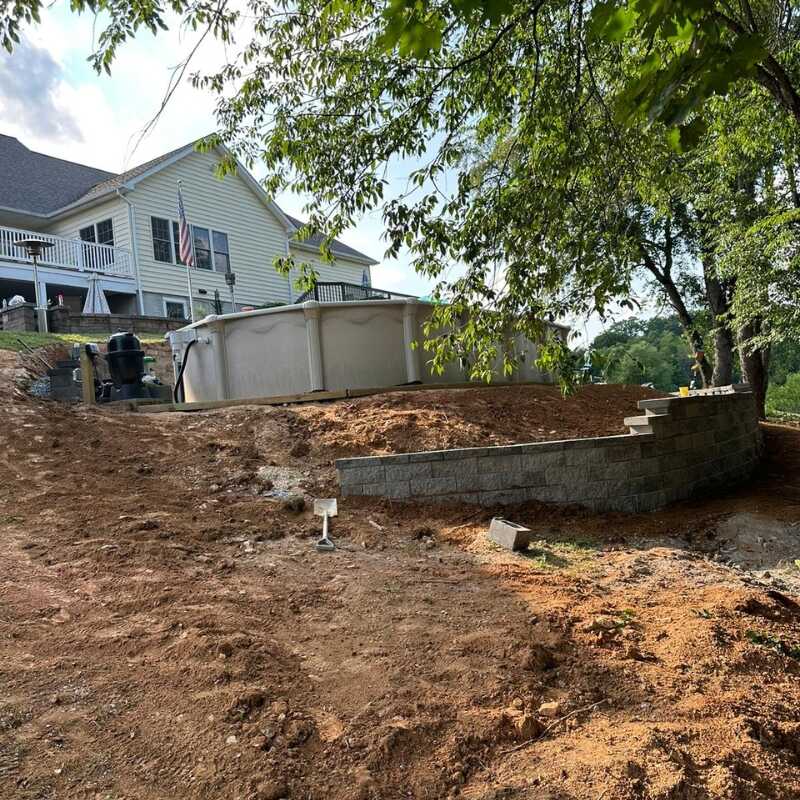
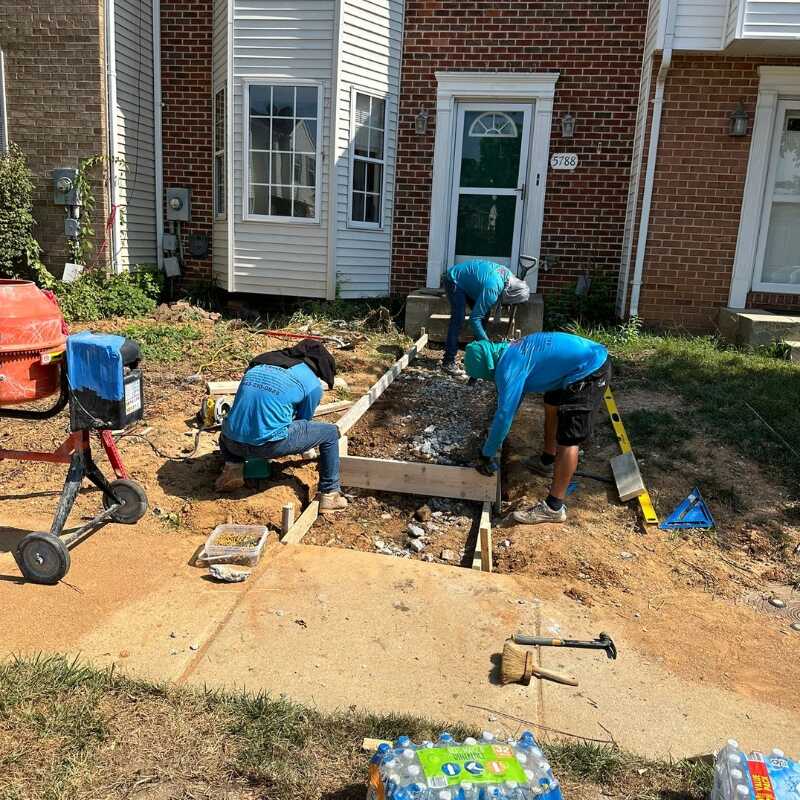
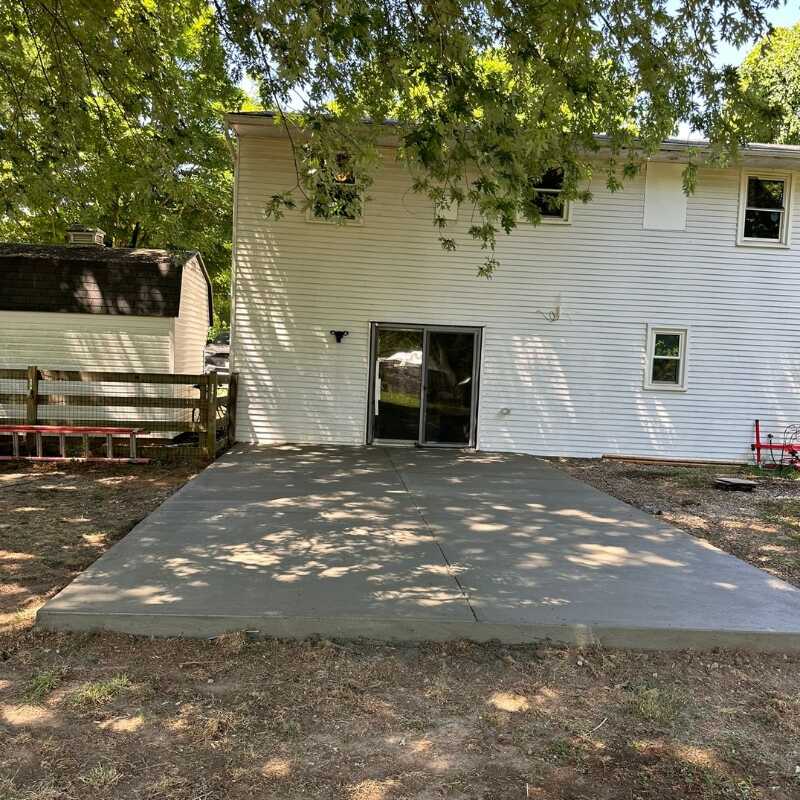
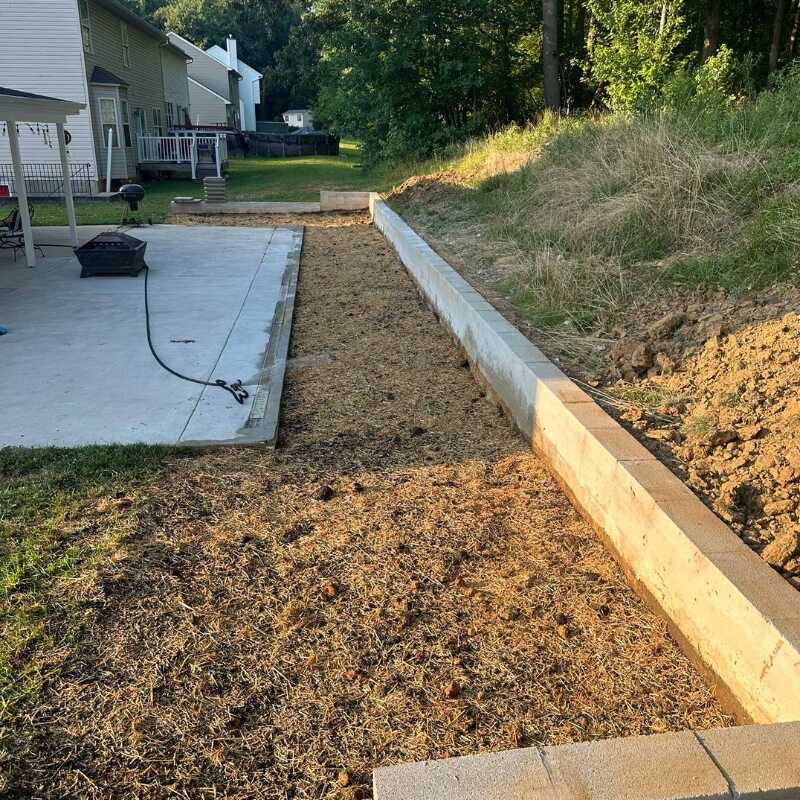
See Our Landscaping Projects in Glen Burnie, MD
Explore real lawn installations, garden designs, mulch upgrades, and complete landscaping transformations completed by Adding Construction LLC. Get inspired by results that boost curb appeal and discover what your property could look like next.