Common Home Problems That Require Professional Repair Services in Glen Burnie, MD?
Homeownership comes with many responsibilities, and over time, every property will experience wear and tear that requires attention. While some issues may seem minor at first, problems such as cracked drywall, damaged concrete, leaking gutters, worn flooring, peeling paint, or poor landscaping can quickly escalate if left untreated. Identifying these warning signs early not only helps preserve the appearance of your home but also prevents more extensive structural damage and costly repairs in the future. Understanding when professional intervention is needed is one of the most effective ways to protect your investment and maintain a safe, comfortable living environment.
Professional repair services go beyond simply fixing visible damage—they address the root cause of the problem to ensure long-lasting results. Experienced contractors have the knowledge, tools, and materials to diagnose underlying issues, recommend the most effective solutions, and complete repairs that meet high-quality standards. Whether you’re dealing with aging building materials, weather-related damage, or everyday wear, investing in timely professional repairs helps extend the lifespan of your home, improve its value, and provide peace of mind for years to come.
Warning Signs Your Home Needs Immediate Repairs
Why Early Home Repairs Save You Time and Money
Many homeowners underestimate the impact of small maintenance issues, assuming they can be postponed without consequences. However, what begins as a minor crack in a wall, a small roof leak, loose flooring, or damaged gutters can quickly develop into much larger and more expensive structural problems. Moisture intrusion, shifting foundations, deteriorating materials, and poor drainage often start with subtle warning signs that become progressively worse when left untreated.
Addressing repairs early helps protect your investment while reducing long-term expenses. Preventive maintenance not only extends the lifespan of your home’s structural components but also improves safety, comfort, and energy efficiency. Homeowners who schedule repairs as soon as problems appear often avoid emergency situations, extensive renovations, and unexpected repair bills. Taking action early is one of the smartest ways to preserve both the beauty and value of your property.
Key Points
Benefits of preventive home maintenance
Cost difference between early repairs and major renovations
How small issues become structural damage
Protecting your home’s market value
Improving safety for your family
Reducing future maintenance costs
Increasing energy efficiency
When homeowners should schedule an inspection
Signs Your Drywall Needs Professional Repair
Drywall is one of the most important components of every home’s interior, providing smooth, finished surfaces while protecting insulation, electrical systems, and structural framing. Over time, however, drywall can develop cracks, holes, dents, water stains, or other visible damage caused by normal settling, accidental impacts, plumbing leaks, excessive humidity, or foundation movement. Although some imperfections may appear cosmetic, they often indicate deeper issues that should be addressed before they worsen.
Ignoring damaged drywall may allow moisture to spread behind the walls, increasing the risk of mold growth, wood deterioration, and indoor air quality problems. Professional drywall repair restores both the appearance and structural integrity of interior walls while ensuring surfaces are properly prepared for painting or future renovations. Modern repair techniques allow damaged areas to blend seamlessly with the surrounding wall, creating a smooth, durable finish that looks like new.
Key Points
Common causes of drywall damage
Hairline cracks vs structural cracks
Water damage warning signs
Mold growth behind drywall
Nail pops and settling issues
Hole and dent repairs
Ceiling drywall problems
When replacement is better than repair
Professional finishing and texture matching
Common Concrete Problems That Shouldn't Be Ignored
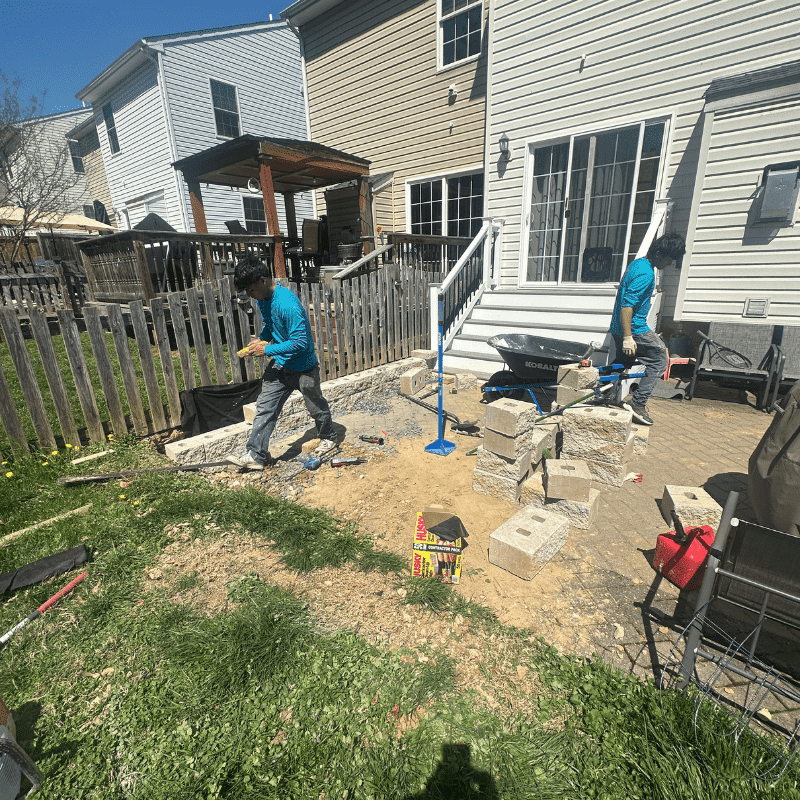
Concrete is one of the most durable building materials used in residential properties, but it is not immune to wear and tear. Over time, environmental conditions, heavy loads, moisture, soil movement, and freeze-thaw cycles can cause concrete surfaces to crack, shift, or deteriorate. While many homeowners assume these imperfections are only cosmetic, they can often indicate underlying structural or drainage issues that require professional attention.
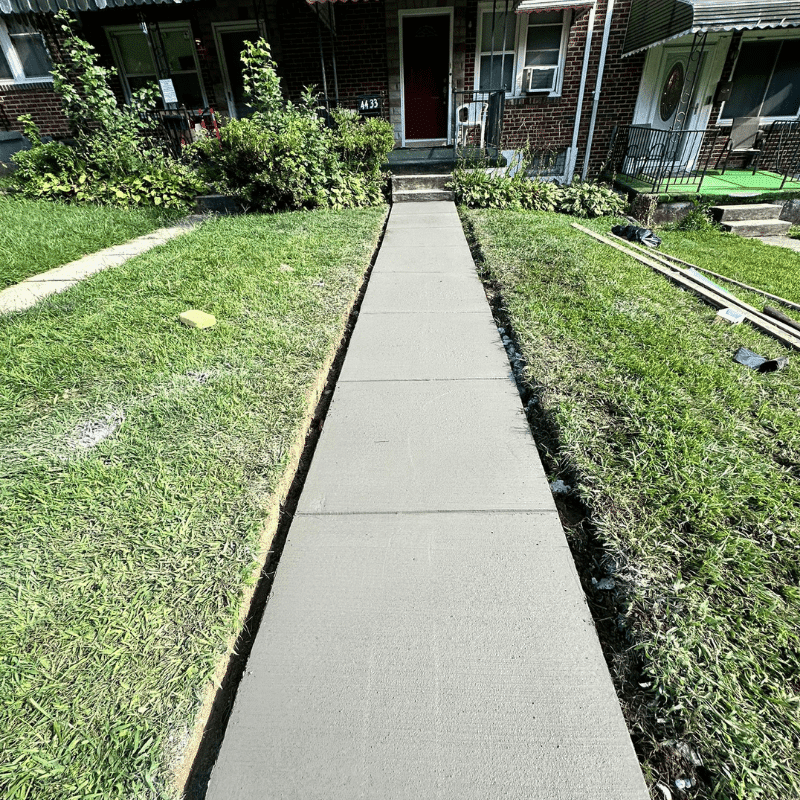
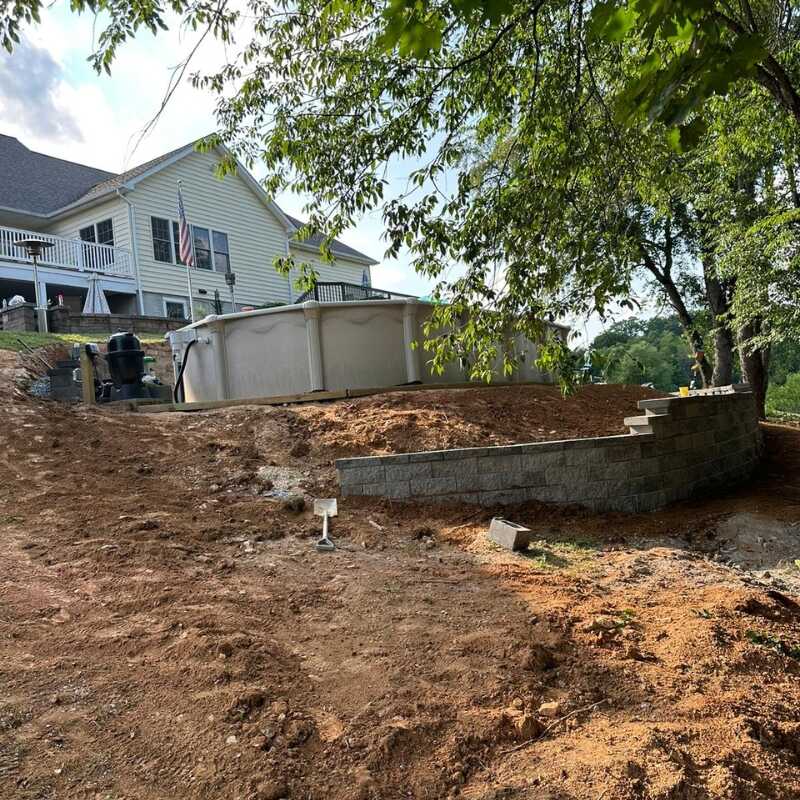
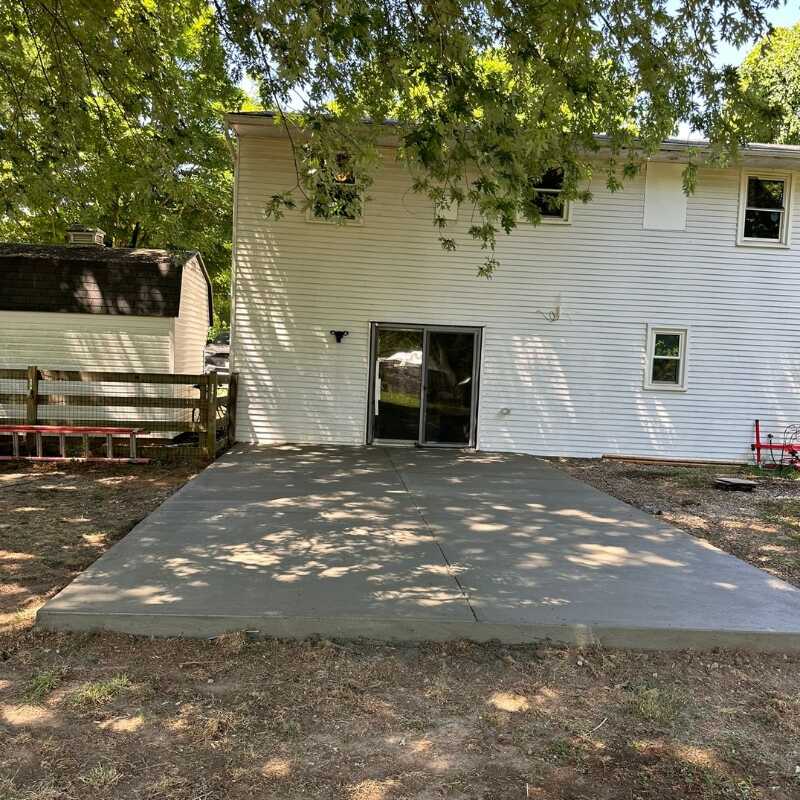
Cracked driveways, uneven sidewalks, damaged patios, and deteriorating retaining walls not only reduce your home’s curb appeal but can also create serious safety hazards. Uneven concrete increases the risk of trips and falls, while poor drainage around concrete surfaces may lead to water pooling, foundation damage, or accelerated erosion. Addressing these problems early helps extend the lifespan of your concrete structures while preventing more extensive and costly repairs in the future.
Key Points
Common causes of concrete cracks
Surface cracks vs. structural cracks
Uneven sidewalks and trip hazards
Driveway deterioration
Patio damage caused by weather
Retaining wall movement
Drainage issues affecting concrete
Concrete resurfacing vs. replacement
Preventive maintenance for concrete
When to call a professional contractor
How to Identify Home Damage Before It Becomes Expensive
How to Know When Your Gutters Need Attention
Your gutter system plays a critical role in protecting your home’s roof, siding, foundation, landscaping, and overall structural integrity. Although gutters are often overlooked, they serve as the primary channel for directing rainwater safely away from your property. When gutters become clogged, damaged, or improperly installed, water can overflow and begin causing expensive problems throughout the home.
One of the earliest warning signs is water spilling over the edges of the gutters during rainfall. This often indicates accumulated leaves, debris, or blockages that prevent proper drainage. Other warning signs include sagging gutter sections, visible rust, leaking joints, peeling exterior paint, mildew growth, standing water near the foundation, or landscaping erosion beneath downspouts.
Key Points
Overflowing gutters during rain
Clogged downspouts
Sagging or detached gutters
Water pooling near the foundation
Roof edge water damage
Rust, corrosion, and leaks
Fascia and soffit deterioration
Basement moisture caused by poor drainage
Seasonal gutter maintenance
Signs it’s time for gutter replacement
When Worn Flooring Becomes a Safety Hazard
Description
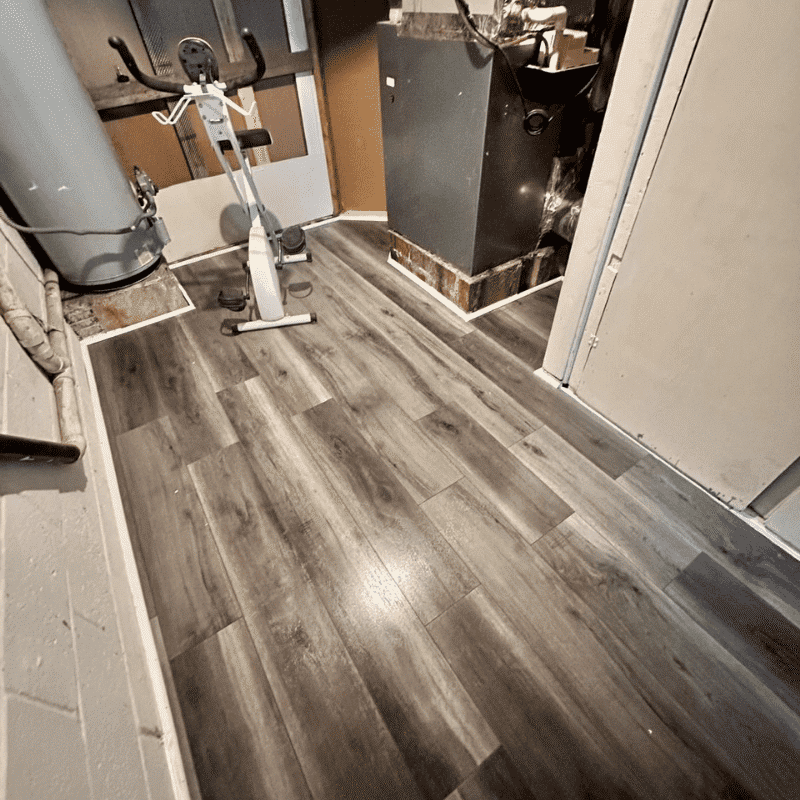
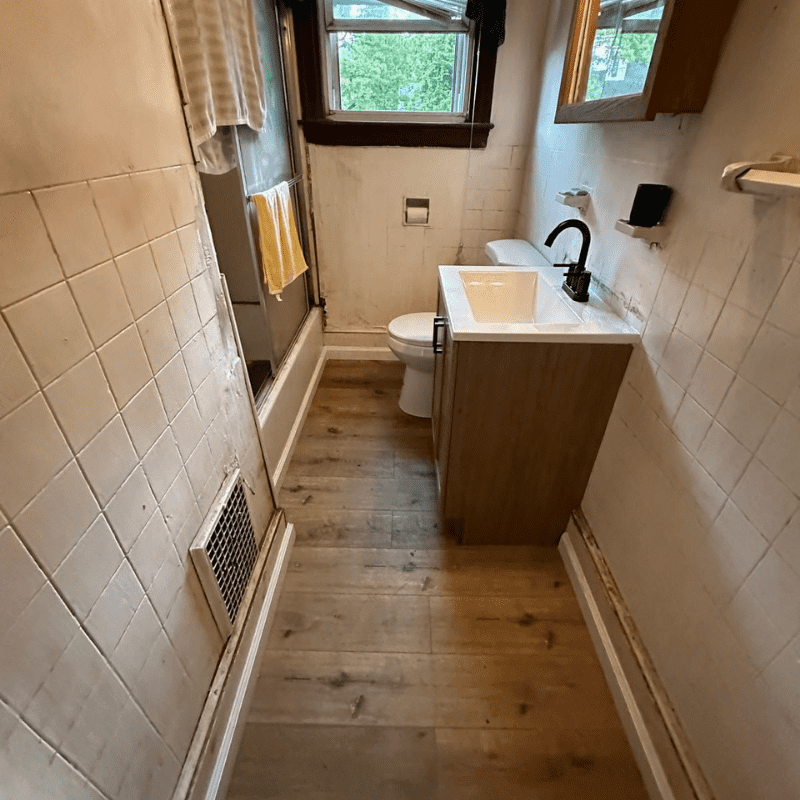
Flooring is one of the most heavily used surfaces in any home, making it especially vulnerable to daily wear, moisture exposure, heavy furniture, and constant foot traffic. While scratches, dents, and fading may initially appear to be cosmetic concerns, deteriorating floors can eventually become serious safety hazards that affect both the comfort and value of your property.
Loose hardwood planks, cracked tiles, uneven laminate flooring, water-damaged subfloors, and worn carpeting all increase the likelihood of trips, slips, and falls. Moisture infiltration beneath flooring materials may also promote mold growth and structural deterioration that often remains hidden until significant damage has occurred. Addressing these issues early protects both your family and your home’s structural integrity.
Key Points
Loose or uneven flooring
Cracked ceramic or porcelain tiles
Water-damaged subfloors
Hardwood floor movement
Laminate separation
Carpet wear and replacement
Moisture and mold beneath flooring
Modern flooring options
Benefits of professional installation
Long-term maintenance recommendations
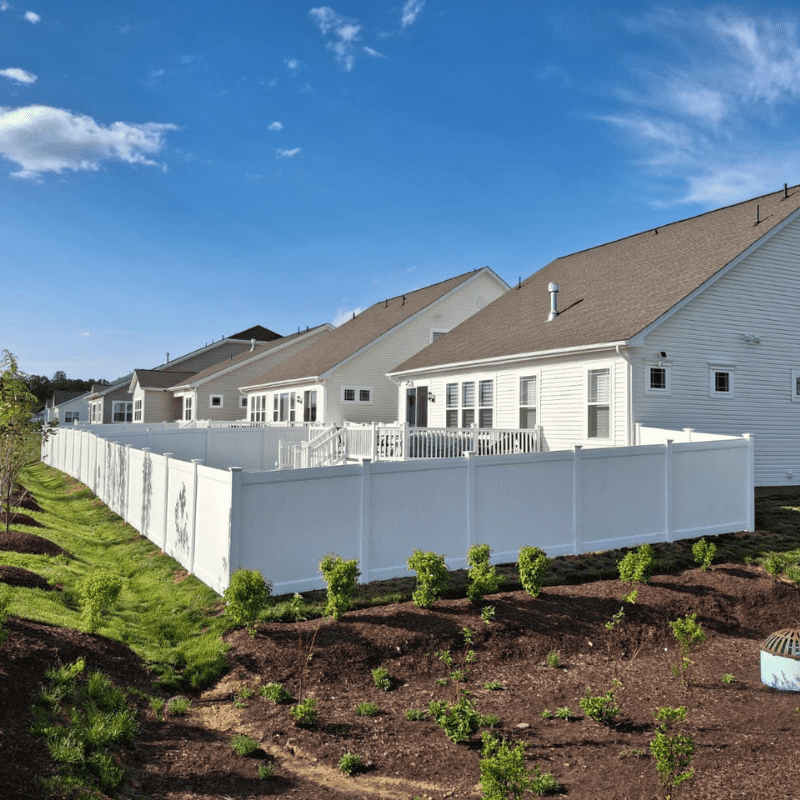
See Our Landscaping Projects in Glen Burnie, MD
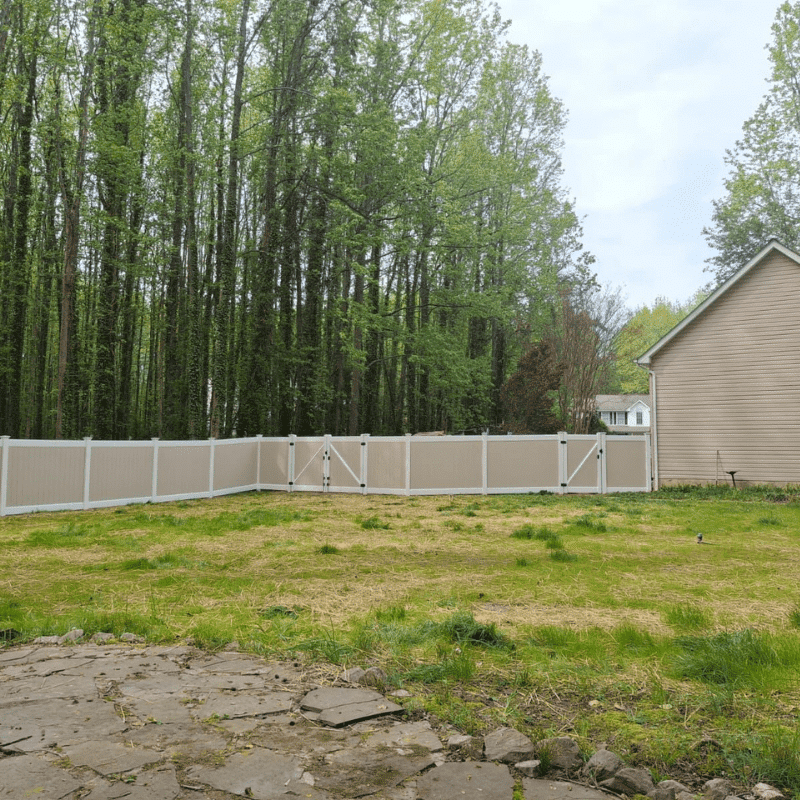
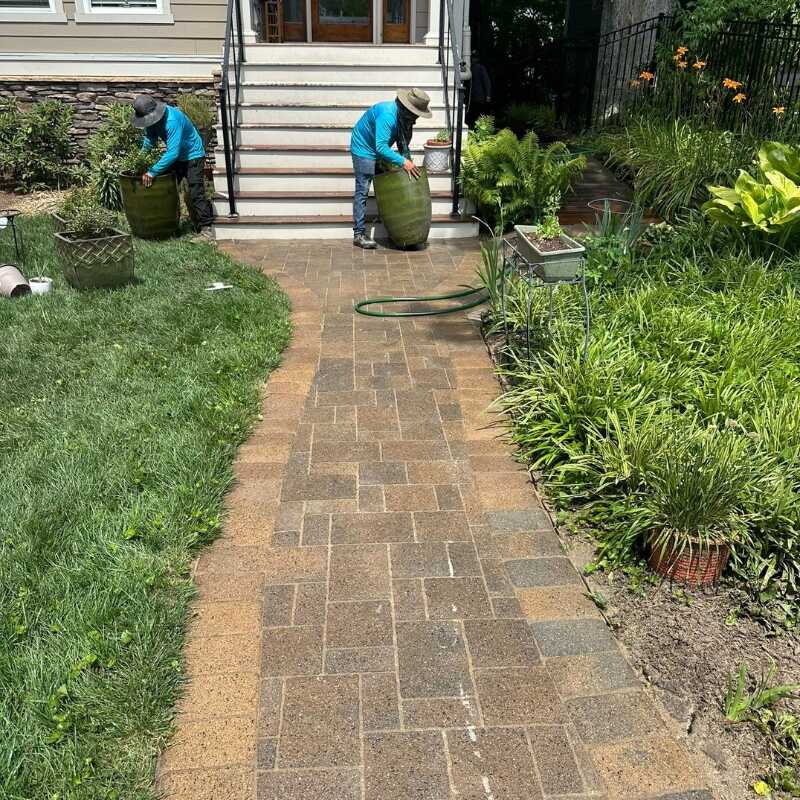
Explore real lawn installations, garden designs, mulch upgrades, and complete landscaping transformations completed by Adding Construction LLC. Get inspired by results that boost curb appeal and discover what your property could look like next.