Signs Your Home Is Ready for a Fall Remodeling Project: A Complete Homeowner’s Guide
Signs Your Home Is Ready for a Fall Remodeling Project: A Complete Homeowner’s Guide As summer comes to an end, many homeowners begin thinking about
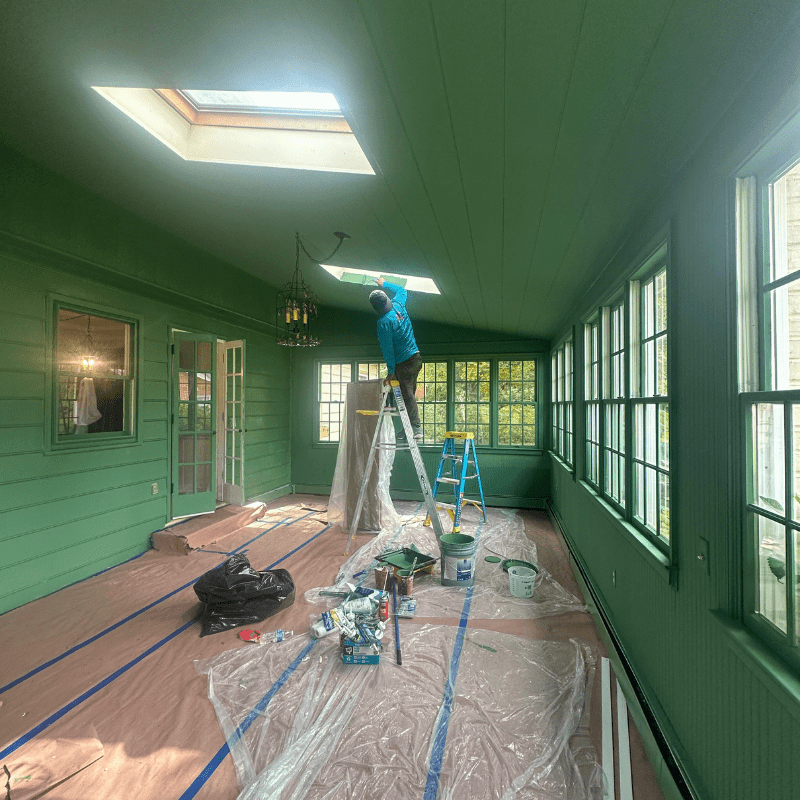
A successful remodeling project begins long before the first wall is opened, the first tile is removed, or the first coat of paint is applied. Proper preparation is one of the most overlooked yet most important aspects of any home improvement project. While homeowners often focus on choosing materials, colors, and designs, taking the time to prepare the home before construction starts can significantly reduce stress, improve efficiency, minimize delays, and help protect both the property and the people living in it.
Every remodeling project—whether it’s a kitchen renovation, bathroom upgrade, flooring replacement, drywall repair, concrete installation, or a complete home transformation—creates temporary disruptions to your daily routine. Construction crews, tools, dust, materials, and equipment all require space to work safely and efficiently. Without proper planning, homeowners may experience unnecessary inconveniences, accidental damage to personal belongings, scheduling conflicts, and unexpected expenses that could have been avoided with a little preparation.
Before any construction work begins, it’s essential to have a complete understanding of what your remodeling project actually involves. Many homeowners focus primarily on the finished result without fully understanding the process required to achieve it. Whether you’re remodeling a single bathroom or completing a whole-home renovation, every project consists of multiple phases, including planning, demolition, structural work, utility modifications, inspections, installation, finishing, and final cleanup. Understanding these stages helps set realistic expectations and reduces surprises once construction begins.
Every remodeling project is unique. Some renovations involve only cosmetic improvements, such as painting walls or replacing flooring, while others require extensive structural modifications, plumbing relocations, electrical upgrades, or permit approvals. Knowing exactly what work will be performed allows homeowners to prepare their homes, schedules, and budgets accordingly. It also helps identify areas of the home that may be temporarily inaccessible during construction.
One of the most valuable steps homeowners can take is scheduling a detailed walkthrough with their contractor before work begins. During this meeting, discuss every aspect of the project, including the work schedule, anticipated noise levels, daily working hours, material deliveries, cleanup procedures, and any potential challenges that could arise. Open communication during the planning stage creates realistic expectations for both parties and significantly reduces misunderstandings later.
Create a dedicated remodeling folder containing contracts, design plans, permits, receipts, warranties, paint colors, flooring selections, and contact information for your contractor. Having everything organized in one place makes communication much easier throughout the project.
Many homeowners assume remodeling is simply replacing old materials with new ones. In reality, even small renovations can uncover hidden plumbing, electrical, or structural issues that require additional work. Planning for these possibilities helps reduce frustration if unexpected situations arise.
One of the biggest reasons remodeling projects become stressful is poor financial planning. Many homeowners focus only on the contractor’s estimate while overlooking additional expenses that naturally arise during construction. A realistic remodeling budget should account for labor, materials, permits, inspections, design upgrades, temporary accommodations if needed, and a contingency fund for unexpected discoveries.
It is common for remodeling projects—especially in older homes—to reveal hidden problems once demolition begins. Water damage, outdated electrical systems, termite damage, foundation settlement, mold, or aging plumbing may require immediate attention before the planned renovation can continue. These issues are impossible to predict with complete certainty, which is why experienced contractors recommend maintaining a contingency budget for unforeseen repairs.
Budget planning also involves prioritizing where to invest your money. High-quality materials often provide better durability, improved energy efficiency, lower maintenance requirements, and greater long-term value. While selecting lower-cost products may reduce initial expenses, they can increase future repair or replacement costs. A professional contractor can help homeowners balance budget limitations with material quality to maximize the return on investment.
Another important consideration is project sequencing. Combining multiple improvements—such as flooring, painting, and drywall repairs—into one coordinated remodeling project often reduces overall labor costs while minimizing disruption to your home. Careful planning allows contractors to schedule work more efficiently and avoid repeating demolition or preparation tasks.
Includes contingency funds
Uses quality materials
Plans for permits
Focuses on long-term value
Fewer financial surprises
No emergency reserve
Chooses lowest-cost products only
Unexpected permit expenses
Focuses only on initial price
Frequent unexpected costs
Most remodeling professionals recommend setting aside 10%–20% of your total remodeling budget as a contingency reserve for unforeseen conditions that may only become visible after construction begins.
Choosing the lowest estimate without comparing material quality, workmanship, warranty coverage, and project management often results in higher costs later due to repairs or incomplete work.
One of the most common mistakes homeowners make before starting a remodeling project is underestimating how much dust, debris, and construction activity can affect the rest of the home. Even when contractors use protective barriers, remodeling work naturally generates fine dust particles that can travel through air vents, doorways, and adjacent rooms. Without proper preparation, furniture, electronics, artwork, clothing, and sentimental items may become dirty or even damaged during construction.
Before work begins, take the time to identify everything that should be removed from the work area. Furniture should be relocated whenever possible, while valuable items such as televisions, computers, artwork, family photographs, antiques, and decorative accessories should be safely stored in another room. If certain pieces cannot be moved, they should be covered with heavy-duty plastic sheeting or protective blankets designed for construction environments.
Protecting your flooring is equally important. Contractors often place drop cloths and temporary floor coverings along traffic paths to minimize dirt and prevent scratches caused by tools, equipment, and building materials. However, homeowners can further reduce risks by clearing hallways, removing rugs, and providing unobstructed access to work areas. This not only protects the home but also allows construction crews to work more efficiently and safely.
Take photos of every room before construction begins. These images provide a helpful reference when it’s time to move furniture back into place and can also document the original condition of your home before the project starts.
Many homeowners only cover furniture while leaving electronics, books, clothing, and decorative items exposed. Fine construction dust can penetrate fabrics, electronics, and ventilation systems, making cleanup much more difficult.
If your remodeling project will last several weeks, consider creating a family calendar that shows construction milestones, inspections, deliveries, and important project dates. This helps everyone stay informed and reduces uncertainty.
Many homeowners assume their pets will simply “adjust” to construction. In reality, loud noises and unfamiliar activity can create significant anxiety, increasing the risk of escape or injury if precautions aren’t taken.
A remodeling project doesn’t just affect the physical structure of your home—it also impacts the daily lives of everyone living in it. Construction activity often brings increased noise, dust, unfamiliar workers, restricted access to certain rooms, and temporary interruptions to everyday routines. Preparing your family ahead of time helps reduce stress and ensures everyone knows what to expect throughout the renovation process.
If you have young children, it’s especially important to explain which areas of the home will become construction zones and why they should remain off-limits. Construction sites contain power tools, electrical equipment, sharp materials, ladders, and heavy supplies that can pose serious safety risks. Establishing clear boundaries and creating designated safe play areas helps protect children while allowing contractors to work without unnecessary interruptions.
Pets also require special attention during remodeling. Dogs, cats, and other animals are often sensitive to loud noises, unfamiliar people, and changes in their environment. The sounds of demolition, drilling, hammering, and heavy equipment can create anxiety and unpredictable behavior. Whenever possible, arrange for pets to stay with family members, friends, or a boarding facility during the noisiest phases of construction.
Children understand safety rules
Pets remain calm and protected
Daily routines stay organized
Better communication with contractors
Less stress for everyone
Children wander into work areas
Pets become stressed or frightened
Constant interruptions occur
Frequent misunderstandings
Higher anxiety during construction
Comfortable daily routine
Easy access to essentials
Contractors work more efficiently
Safer living environment
Reduced family stress
Constant inconvenience
Searching for basic items
Frequent interruptions
Increased exposure to construction areas
More frustration throughout the project
Pack a “daily essentials” box containing chargers, medications, important documents, toiletries, snacks, and frequently used household items. Having everything in one place prevents constant trips through construction zones.
Many homeowners leave everyday necessities scattered throughout the house. Once construction begins, accessing these items often becomes inconvenient and may interfere with the contractor’s workflow.
Depending on the size and scope of your remodeling project, certain areas of your home may become temporarily unusable. Kitchens, bathrooms, bedrooms, or living rooms undergoing renovation may remain inaccessible for days or even weeks. Preparing temporary living spaces before construction begins helps maintain comfort while minimizing disruptions to your daily routine.
For example, if your kitchen is being remodeled, consider creating a temporary food preparation area in another room. A small table equipped with a microwave, coffee maker, mini refrigerator, and basic cooking supplies can make everyday life much easier while the main kitchen is unavailable. Stocking disposable plates, utensils, and easy-to-prepare meals also reduces stress during this transition.
Bathroom renovations require similar planning. If only one bathroom is available in your home, discuss the construction schedule with your contractor to understand when plumbing will be disconnected and whether temporary alternatives should be arranged. Larger families may benefit from scheduling work in phases to ensure at least one functional bathroom remains available whenever possible.
If bedrooms or common living areas are affected, relocate essential furniture, clothing, medications, chargers, and personal belongings before construction begins. Creating comfortable temporary spaces allows your family to continue daily activities without constantly entering active work zones.
Preparing these temporary living areas not only improves your comfort but also allows contractors unrestricted access to complete the project more efficiently. A well-organized home reduces delays, improves safety, and creates a more positive remodeling experience for everyone involved.
Open communication among family members is equally valuable. Discuss the construction schedule, daily expectations, parking arrangements, and any temporary lifestyle adjustments before work begins. When everyone understands the plan, the remodeling process becomes significantly more manageable.
Homeowners should also understand how project updates will be communicated. Some contractors provide daily progress reports, while others schedule weekly meetings or communicate through phone calls, emails, or project management apps. Establishing one primary point of contact ensures questions are answered quickly and important decisions are made without delaying construction.
Another important topic to discuss is how change orders will be handled. Remodeling projects occasionally require modifications after work has started, whether due to hidden structural issues, material availability, or design preferences. Having a clear process for approving changes, documenting additional costs, and updating timelines helps protect both the homeowner and the contractor.
Walk through your property before construction starts and identify how workers will enter and exit the home each day. Remove vehicles from driveways if necessary, clear sidewalks, trim landscaping around access points, and relocate outdoor furniture that may obstruct material deliveries. Providing convenient access reduces labor time and minimizes the risk of accidental property damage.
Utilities should also be discussed with your contractor before work begins. Some remodeling projects require temporary interruptions to electrical service, plumbing, gas lines, or HVAC systems. Understanding when these interruptions will occur allows homeowners to prepare accordingly and adjust daily routines when necessary.
Successful remodeling projects involve much more than construction. Contracts, permits, estimates, material selections, warranties, inspection reports, receipts, paint colors, flooring specifications, and appliance information all become valuable documents throughout the project and long after construction has been completed.
Keeping these documents organized allows homeowners to quickly answer questions, review project details, compare invoices, verify warranty coverage, and simplify future maintenance or renovations. Many homeowners choose to maintain both digital and printed copies to ensure important information remains easily accessible, documentation also protects your investment. If warranty claims.

Signs Your Home Is Ready for a Fall Remodeling Project: A Complete Homeowner’s Guide As summer comes to an end, many homeowners begin thinking about

How to Protect Your Home Before Heavy Rain and Storm Season: A Homeowner’s Guide Heavy rain and severe storms can expose weaknesses around a home

Remodeling vs. Renovation: What’s the Difference? in Glen Burnie, MD When planning a home improvement project, many homeowners use the terms remodeling and renovation interchangeably.

Why Summer Is the Perfect Season for Home Remodeling Projects in Glen Burnie, MD? Summer is one of the busiest seasons for home improvement projects,

Questions to Ask Before Hiring a Remodeling Contractort in Glen Burnie, MD Hiring a remodeling contractor is one of the most important decisions you’ll make

Why Before and After Remodeling Projects Matter in Glen Burnie, MD? Before and after remodeling projects do much more than showcase beautiful results—they tell the
Explore real lawn installations, garden designs, mulch upgrades, and complete landscaping transformations completed by Adding Construction LLC. Get inspired by results that boost curb appeal and discover what your property could look like next.
Free Consultation