How Much Do Home Improvement Projects Cost in Glen Burnie, MD? A Complete Homeowner’s Guide
How Much Do Home Improvement Projects Cost in Glen Burnie, MD? If you’re planning to upgrade your home, one of the first questions you’ll probably
Heavy rain and severe storms can expose weaknesses around a home that often remain unnoticed during periods of dry weather. Clogged gutters, poor landscape drainage, deteriorating concrete, small exterior cracks, and areas where water collects near the foundation may appear manageable under normal conditions. However, when several inches of rain fall within a short period, these seemingly minor problems can quickly contribute to water intrusion, erosion, damaged exterior surfaces, and costly repairs. Preparing your property before storm season is therefore an important part of protecting both your home and your long-term investment.
Late summer and early fall are particularly important times for homeowners to evaluate how effectively their property handles rainwater. Seasonal storms can place significant pressure on gutters and drainage systems, while repeated exposure to moisture can worsen existing cracks and deterioration around exterior surfaces. Instead of waiting until visible water damage appears, proactive home maintenance before heavy rain allows homeowners to identify vulnerable areas and make improvements while conditions are still favorable for exterior work.
One of the first areas homeowners should inspect before storm season is the gutter system. Gutters perform a simple but extremely important job: they collect rainwater from the roof and direct it toward downspouts so it can be discharged away from vulnerable areas of the property. When the system is working properly, large amounts of rainwater can be managed without continuously spilling beside walls, walkways, landscaping, or areas near the foundation.
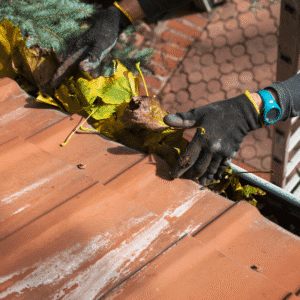
Problems begin when leaves, twigs, dirt, roofing debris, and other materials accumulate inside the gutters. During heavy rain, clogged sections can prevent water from flowing toward the downspouts, causing it to overflow along the roofline instead. Homeowners may notice water pouring over the sides of the gutters, puddles developing near the house, washed-out landscaping, or stains appearing on exterior surfaces. These are warning signs that gutter maintenance or repairs may be necessary before the next significant storm.
Downspouts deserve equal attention. A gutter may be completely clean and still fail to protect the property if the downspout releases water directly beside the home. The discharge point should allow water to move toward an appropriate drainage area rather than repeatedly saturating the same section of soil. Poorly positioned or damaged downspouts can contribute to erosion, standing water, and excessive moisture around exterior surfaces.
The best time to evaluate your gutter system is during or immediately after a moderate rainfall, as long as you can observe it safely from the ground. Watch where the water travels. Overflowing sections, unexpected dripping, and large puddles near downspouts can reveal problems that are difficult to detect when everything is dry.
A common mistake is assuming gutters only need attention when they are completely clogged. Partial blockages, poor downspout placement, loose connections, and incorrect drainage can still cause significant amounts of water to collect in unwanted areas during a strong storm.
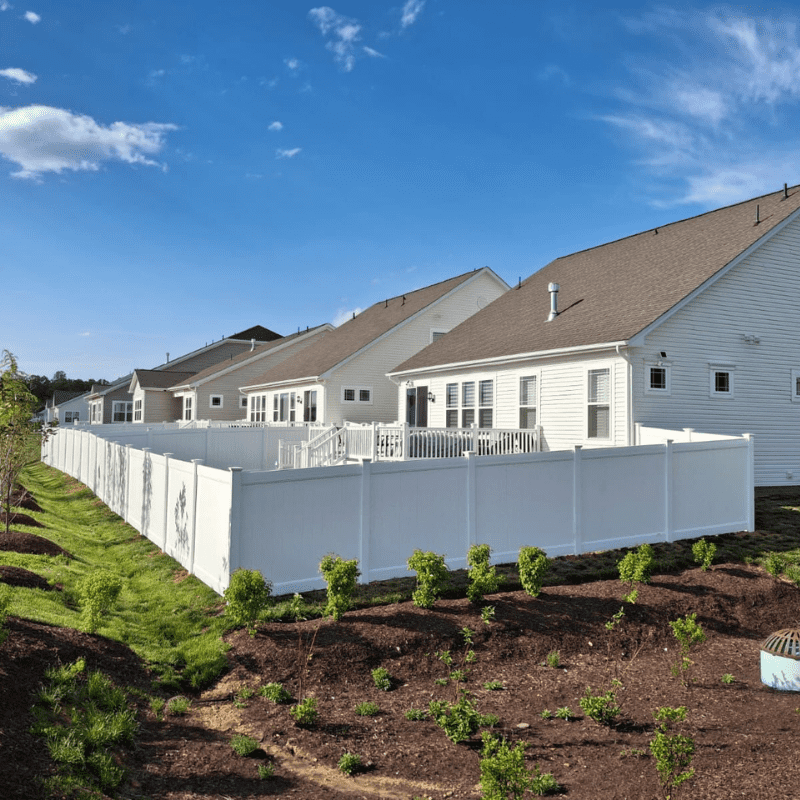
One of the most valuable things a homeowner can do before storm season is determine exactly where rainwater travels across the property. Water naturally follows the lowest available path, which means grading, landscaping, concrete surfaces, walkways, patios, and soil conditions all influence where it eventually collects. When these elements do not direct water effectively, heavy rainfall can create puddles and saturated areas close to the home.
Standing water should not automatically be dismissed as a temporary inconvenience. If the same areas repeatedly remain wet long after a storm has passed, the property may have a yard drainage problem that deserves further evaluation. Over time, excessive water can erode soil, damage landscaping, contribute to muddy areas, affect concrete surfaces, and create unnecessary moisture around parts of the structure.
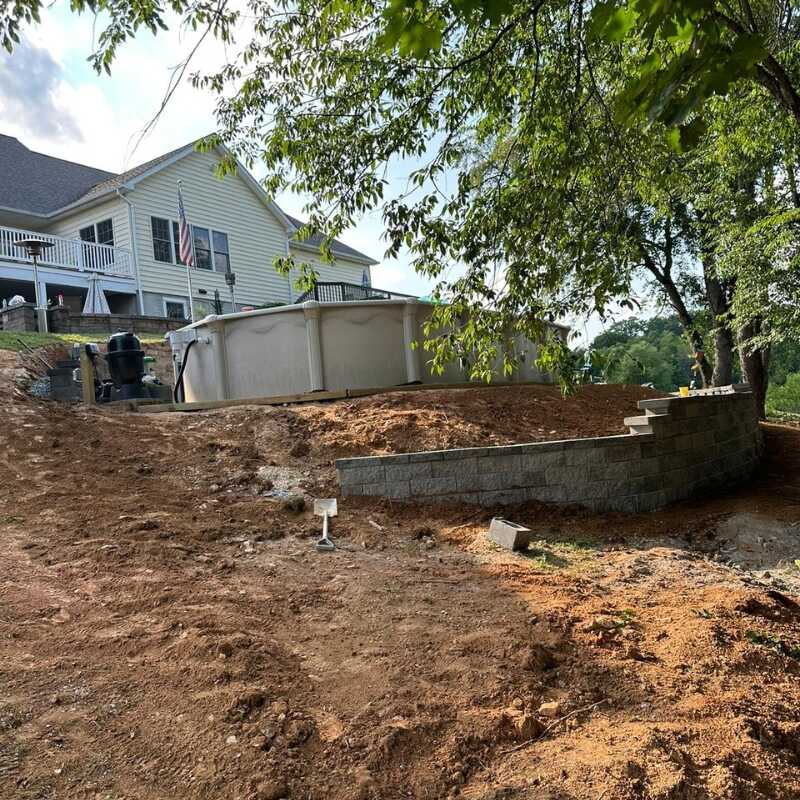
Landscape grading plays an especially important role. Ideally, the surrounding ground should encourage water to move away from vulnerable portions of the home rather than toward them. Changes caused by erosion, settling soil, landscaping projects, or years of property use can alter how water moves. A yard that drained effectively several years ago may behave very differently today.
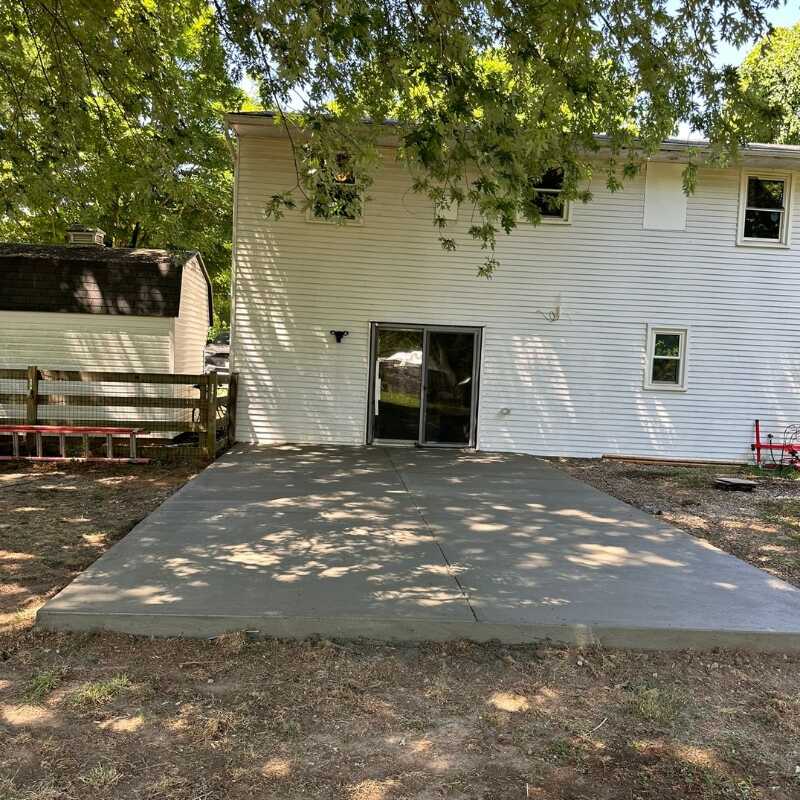
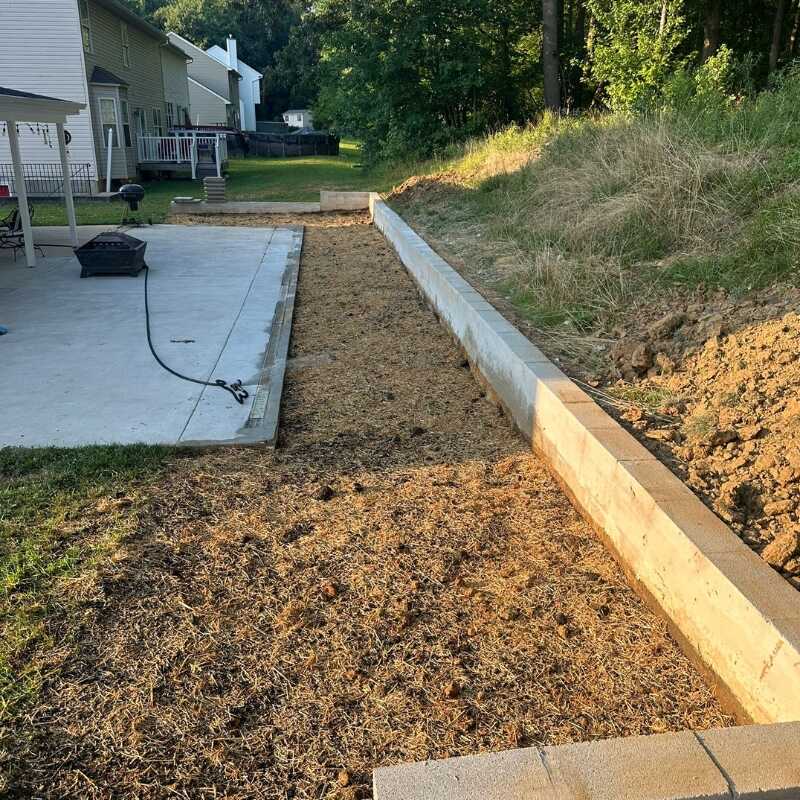
Hard surfaces should be evaluated as well. A concrete patio, driveway, or walkway influences runoff because water cannot absorb through the surface as easily as it can through soil. If the surface has settled or its slope directs runoff toward the house, large amounts of water can accumulate in undesirable locations during a storm. This makes concrete drainage an important consideration when evaluating exterior home improvements.
Professional landscaping and drainage improvements can help create a more effective strategy for managing runoff based on the property’s specific conditions. The objective is not to eliminate rainwater—it is to control where that water travels so that heavy st
Water moves away from vulnerable areas
Less landscape erosion
Concrete runoff is better controlled
Yard recovers faster after rainfall
Problems are addressed proactively
Water repeatedly collects near the home
Soil and mulch may wash away
Water may pool beside hard surfaces
Saturated areas remain for longer periods
Small drainage issues can gradually worsen
Take photos of your property approximately 30 minutes, two hours, and 24 hours after a substantial rainfall. Comparing the images can help you identify areas where water drains normally versus locations where it remains trapped.
Many homeowners focus exclusively on the roof and gutters when preparing for storms. Those systems are important, but the water still needs somewhere appropriate to go once it reaches ground level. Ignoring grading and landscape drainage can leave the property vulnerable even when the gutters are functioning correctly.
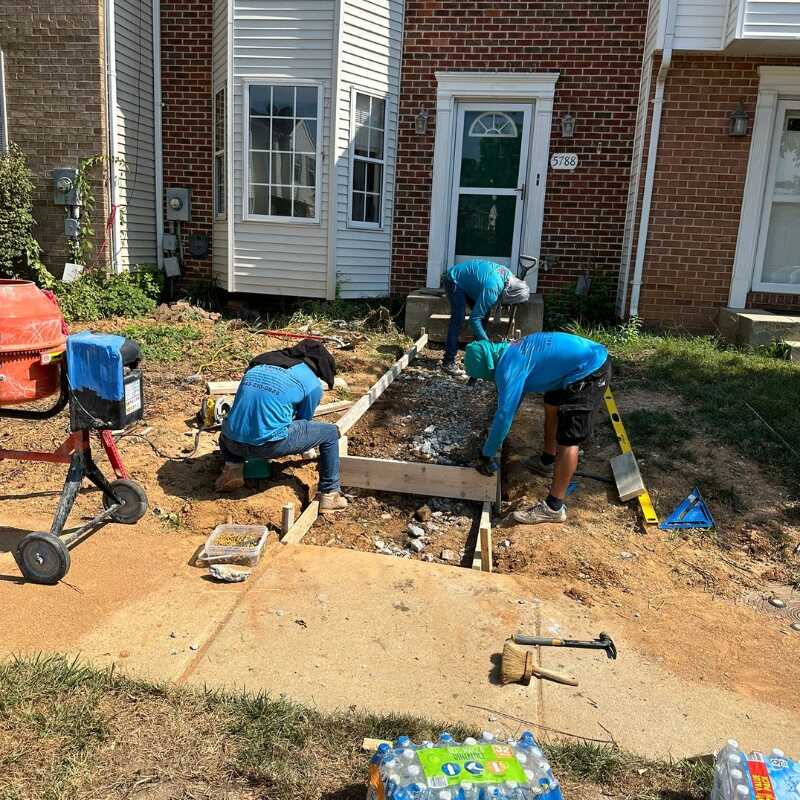
Concrete is designed to provide strength and durability, but that does not mean it should be ignored when preparing a property for severe weather. Driveways, patios, sidewalks, steps, and other concrete surfaces are continuously exposed to sunlight, temperature fluctuations, moisture, vehicle traffic, and normal settling. Over time, these conditions can contribute to small cracks, uneven areas, surface deterioration, and changes in the way water drains across the property. Before periods of frequent rainfall arrive, homeowners should carefully inspect these areas and determine whether concrete repair or professional evaluation may be necessary.
Cracks deserve particular attention because they provide pathways through which water can penetrate the surface. A small crack does not automatically mean that major structural damage exists, but repeated exposure to moisture can contribute to continued deterioration. Water can enter openings, saturate surrounding soil, and place additional stress on already weakened sections. As temperatures change later in the year, existing damage may become more noticeable, making early inspection an important part of seasonal concrete maintenance.
Homeowners should also look beyond visible cracking. Uneven concrete, sunken sections, deteriorating edges, surface flaking, and areas where water consistently pools may indicate that the surface is no longer performing as intended.
Photograph any visible cracks in the concrete and measure their approximate width before storm season. Regularly checking these same areas makes it easier to determine if they are stable or still expanding. This is a great way to avoid future emergency repairs that could complicate your home.
A common mistake is assuming every concrete crack is purely cosmetic. While some cracking can remain relatively minor, cracks combined with settling, drainage problems, or recurring standing water deserve closer attention because several conditions may be contributing to the deterioration.
After heavy rainfall, mark recurring puddles and erosion areas on a simple sketch of your property. After several storms, you’ll have a visual map showing exactly where water-management improvements may provide the greatest benefit.
Adding more soil or mulch to a wet area without understanding why water collects there may only hide the problem temporarily. Effective yard drainage solutions should consider the source of the runoff, the slope of the property, and where the water needs to go.
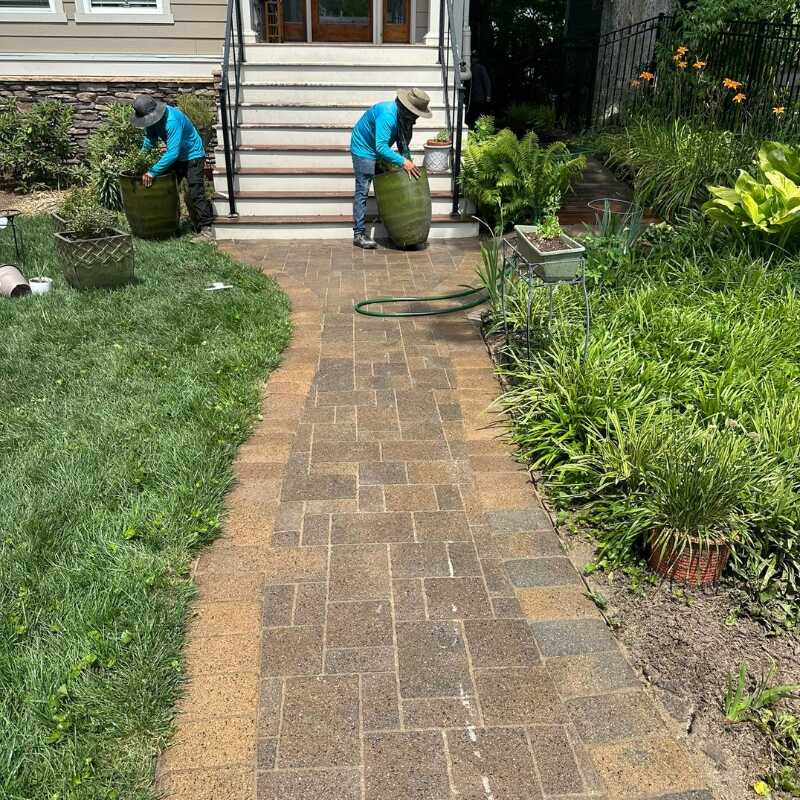
Landscaping is often viewed primarily as a way to improve curb appeal, but it also plays an important role in how water moves around a property. Lawns, planting beds, shrubs, slopes, mulch, soil conditions, and hardscaping all influence stormwater runoff. When these elements work together effectively, they can help guide rainwater toward appropriate drainage areas. When they do not, heavy rainfall may create erosion, standing water, washed-out landscape beds, or excessive moisture in areas close to the home.
Before storm season, homeowners should inspect their yard for signs that water has already been affecting the landscape. Exposed roots, displaced mulch, channels carved through soil, bare patches, and sediment collecting at the bottom of slopes can indicate recurring runoff. These signs provide valuable clues about where water travels during intense rainfall and which areas may require attention.
The slope of the landscape is particularly important. Low areas can collect large quantities of water, while poorly configured grading may encourage runoff to travel toward the house instead of away from it. Over time, erosion can also change the original shape of the property and create new drainage patterns.This is why landscape grading should be evaluated as part of a broader storm-preparation strategy rather than treated only as a cosmetic concern.
Small problems are identified early
Drainage concerns can be evaluated
Outdoor surfaces remain more functional
Repairs can be planned
Helps preserve curb appeal
Damage may become more extensive
Water continues reaching vulnerable areas
Uneven or damaged areas may worsen
Work may become more urgent
Visible deterioration becomes more noticeable
Runoff follows more predictable paths
Less visible soil erosion
Outdoor areas recover more efficiently
Landscaping supports property drainage
Maintenance is more proactive
Water moves unpredictably across the yard
Mulch and soil may wash away
Muddy areas can remain after storms
Landscaping may contribute to pooling
Problems are repeatedly repaired after storms
Create a photo record of your home’s exterior before storm season begins. After a major storm, compare the same areas. New discoloration, damaged finishes, or visible changes are much easier to identify when you have a clear reference point.
Painting over a moisture-related stain without identifying its source may temporarily improve appearance while leaving the underlying problem unresolved. Determine why the area became wet before completing cosmetic repairs.
Your home’s exterior is continuously exposed to weather, making it one of the most important areas to evaluate before periods of heavy rainfall. Exterior walls, trim, painted surfaces, doors, openings, joints, and other components help separate indoor living areas from outdoor conditions. Small areas of deterioration can remain unnoticed during dry weather but become much more apparent when repeated storms expose the property to wind-driven rain and persistent moisture.
Begin with a visual inspection from ground level. Look for peeling or bubbling paint, cracked caulking, damaged trim, gaps around accessible openings, discoloration, and areas that appear to remain damp longer than surrounding surfaces. These conditions do not necessarily indicate significant damage on their own, but they can identify locations that deserve closer evaluation as part of exterior home maintenance.
Paint is particularly important because exterior coatings do more than improve appearance. A properly maintained painted surface helps protect underlying materials from environmental exposure. When paint begins peeling, cracking, or separating, those surfaces may become increasingly exposed to moisture. Addressing deteriorating areas before storm season can help maintain both the appearance and condition of the exterior.
Homeowners should also pay attention to locations where different materials meet. Corners, joints, trim, door frames, concrete transitions, and other connection points may experience movement over time. Small gaps can develop as materials expand, contract, settle, or age. During periods of wind-driven rain, these vulnerable areas may receive more moisture than they would during a typical light shower.
Signs of moisture should also be monitored inside the home. Stains, bubbling paint, unusual dampness, musty odors, or changes in drywall near exterior walls may indicate that further investigation is necessary. The objective is not to assume every stain represents serious water damage, but rather to recognize changes early and determine their source before the condition worsens.
A professional exterior evaluation can help homeowners distinguish between cosmetic deterioration and areas that may require repair. When exterior painting, drywall repair, concrete work, gutter improvements, and other maintenance needs overlap, coordinating the work as part of a broader home improvement project may provide a more efficient way to prepare the property for seasonal weather.
Protecting a home before severe weather involves more than inspecting gutters, concrete, and drainage. Outdoor spaces contain furniture, tools, decorations, landscaping materials, construction supplies, and other objects that may be affected by strong winds or heavy rainfall. A complete storm preparation plan should therefore include a careful inspection of patios, driveways, walkways, landscaped areas, and other exterior spaces before threatening weather arrives.
Begin by identifying loose objects that could move during strong winds. Patio furniture, umbrellas, planters, lightweight decorations, gardening tools, trash containers, and children’s outdoor equipment should be secured or relocated when severe weather is expected. Even relatively small objects can become hazards when exposed to strong winds, while unsecured materials may also damage landscaping, exterior finishes, or nearby property.
Walkways and entrances should remain accessible whenever possible. Heavy rain can quickly turn poorly drained areas into slippery or muddy surfaces, particularly where soil or mulch washes onto concrete.
Routine homeowner maintenance can address many simple storm-preparation tasks, such as removing loose outdoor objects, visually monitoring drainage, and keeping accessible areas clear. However, some conditions require more than basic maintenance. Recognizing when to contact a professional can help homeowners address problems before repeated exposure to rain contributes to more extensive deterioration.
Recurring problems are one of the strongest warning signs. A puddle that appears in exactly the same location after every storm, a concrete crack that continues expanding, gutters that repeatedly overflow despite being cleared, or an exterior surface that continues showing moisture-related deterioration should not simply be treated as isolated inconveniences. Recurring symptoms often indicate that the underlying cause has not yet been addressed.
Knowing when to ask for help is therefore an important part of preventive home maintenance. The objective is not to turn every minor imperfection into a major project, but to distinguish between routine maintenance and conditions that could benefit from professional home repair and remodeling services.
Preparing a property for heavy rain becomes much easier when homeowners can address multiple exterior concerns as part of one coordinated improvement plan. At Adding Construction LLC, we help homeowners evaluate their improvement needs and develop practical solutions based on the condition, functionality, and long-term goals of their property. Rather than focusing solely on appearance, our approach considers how different exterior elements work together and how improvements can provide lasting value.
With more than 8 years of experience, Adding Construction LLC provides home improvement services in Glen Burnie, Maryland, including concrete work, landscaping, gutters, painting, drywall, and remodeling. This range of services can be particularly valuable when storm preparation reveals several areas requiring attention. A drainage concern, for example, may involve landscaping and nearby concrete surfaces, while recurring moisture exposure may indicate that gutters or exterior finishes should also be evaluated.
Adding Construction LLC can help homeowners develop a personalized improvement plan designed around their property and project priorities.

How Much Do Home Improvement Projects Cost in Glen Burnie, MD? If you’re planning to upgrade your home, one of the first questions you’ll probably

Kitchen Remodeling Trends | Modern Designs Homeowners Love The kitchen continues to be the most valuable room in the home, and in 2026, homeowners are
Gutter Cleaning & Repair: Why Spring Is the Best Time to Fix Your Gutters Spring is one of the most important seasons for protecting your

Landscaping Ideas to Boost Curb Appeal This Spring in Glen Burnie, MD Spring is the most powerful season to transform your property’s exterior and dramatically

Outdoor Living Spaces: Summer Backyard Upgrades That Increase Home Value in Maryland Your backyard is no longer just extra land behind the house—it’s valuable square
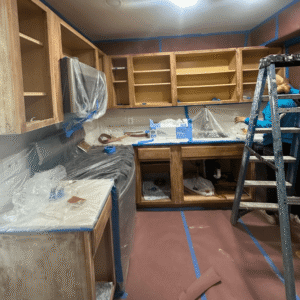
How to Prepare Your Home Before a Remodeling Project Begins: The Complete Homeowner’s Guide A successful remodeling project begins long before the first wall is
If you’ve recognized several of the signs discussed in this guide, now is the perfect time to begin planning your next home improvement project. At Adding Construction LLC, we’re committed to helping homeowners throughout Glen Burnie, MD, create beautiful, functional, and long-lasting spaces through expert craftsmanship and personalized service.
Free Consultation